


Nepal's scenic Chitwan district, known for its forests and rivers, has become the site of mass burials for hundreds of unidentified victims whose bodies were swept away by the torrent that devastated the Himalayan region days ago.
In the plains, nearly 200 kilometres from the flood-ravaged valleys of Rasuwa where the disaster struck on Wednesday, authorities have dug hundreds of graves in Chitwan's Devghat forest.
Until recently, the forest trails were a popular spot for morning walks. They now serve as a temporary burial ground for bodies too badly decomposed to be identified.
"We were left with no other option and had to take this step. Our concern was the risk to public health posed by the rapid decomposition of the bodies," said Ganesh Arya, chief district officer of Baratpur, Chitwan.
Authorities buried 96 unidentified bodies in the forest on Saturday and planned to bury more than 100 others on Sunday, as recovery teams continue to retrieve victims from rivers and piles of debris.
About 750 people have been killed and more than 3,000 are reported missing after a flash flood triggered by a glacial collapse swept through valleys along Nepal's border with China, causing catastrophic damage.
Around 100 rescue workers, police officers and other officials were helping to document the dead, photographing remains, helping relatives with identification and preparing bodies for burial.
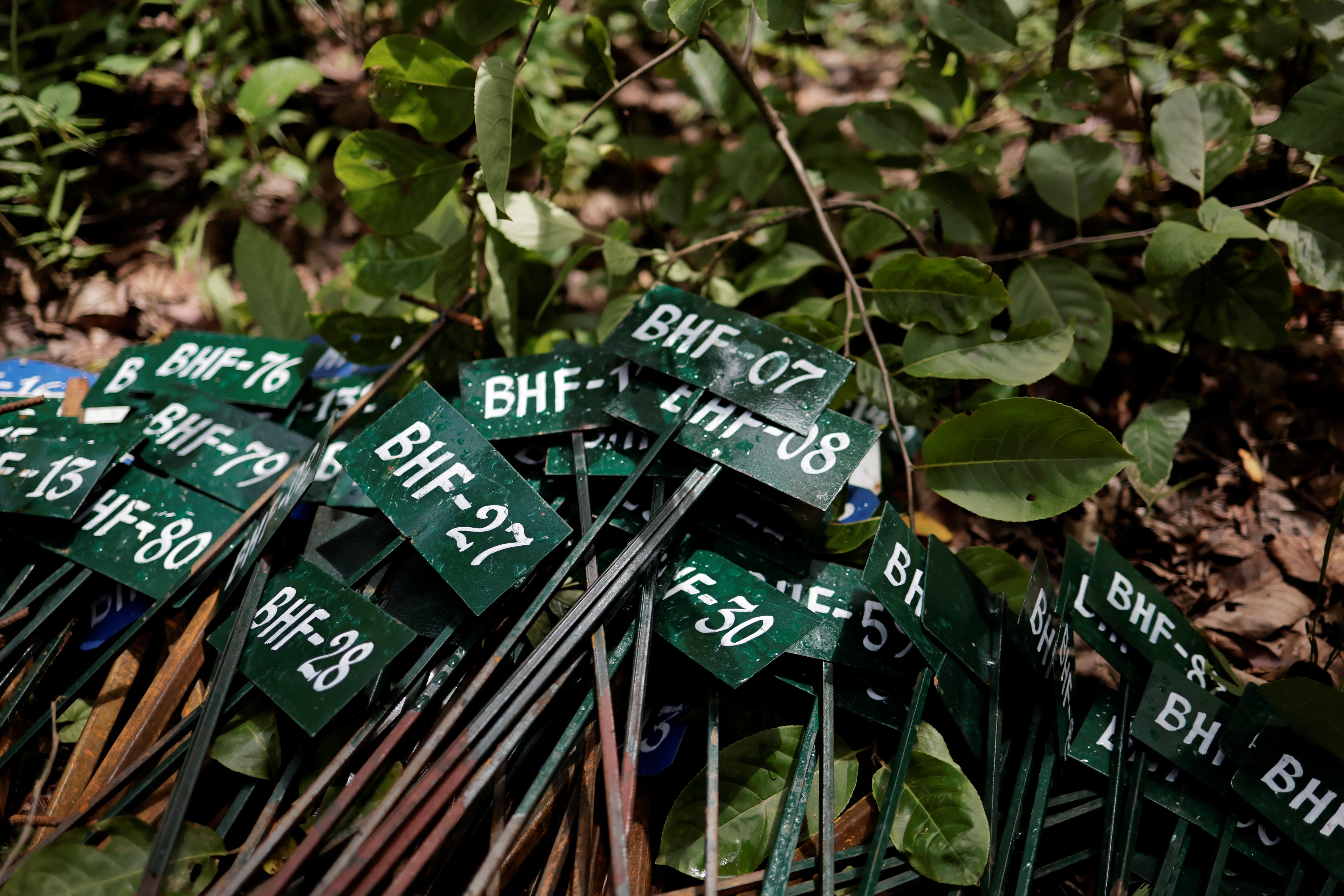
Nepali authorities said every burial site was carefully recorded, with identification markers placed both above and below ground and precise location data logged.
DNA samples were collected from the unidentified dead by the Nepali authorities, allowing them to locate and exhume remains if victims are identified later through family claims, official records or genetic testing.
India has already sent a forensic team that will be working with their Nepali counterparts to support the analysis of DNA samples. Nepal is also liaising with a team from China. (Reuters)
Edited by Aaron Tam
Nepal begins mass burials of flood victims
2026-08-30 HKT 21:07
Share this story


Jamie Clarke reports

