


A sell-off of bonds from key countries worldwide deepened on Tuesday, sending government borrowing costs soaring and equities lower as investors fretted that energy-driven inflation would force central bankers to hike interest rates.
Renewed fighting between the United States and Iran on Tuesday pushed oil prices higher, stoking fears of tighter monetary policy that could weigh on economic growth.
Heavy bond selling sent the interest rate on 30-year UK government bonds to the highest since 1998, while the 10-year yield surged to a level not seen since the global financial crisis of 2007-08.
Japan's 10-year bond yield hit a 30-year high of three percent, reflecting worries about plans for massive government spending.
The yield on the 30-year US Treasury bond stood at just under 5.3 percent, not far from levels last seen in 2007, while the 10-year yield also rose to its highest level since the global financial crisis.
The fact that bond yields and oil were both up "puts pressure on the economy," said Adam Sarhan of 50 Park Investments.
"Inflation is already above the Fed's expectations" and oil going up is worsening that, he said.
"That likely means the Fed will have to wait longer before it can cut rates (and) it might have to raise rates."
Patrick O'Hare at Briefing.com pointed to the same underlying fears about inflation and government deficits.
"The result has been a steady uplift for sovereign bond yields that has stirred competition concerns for stocks, as well as general growth concerns," he said.
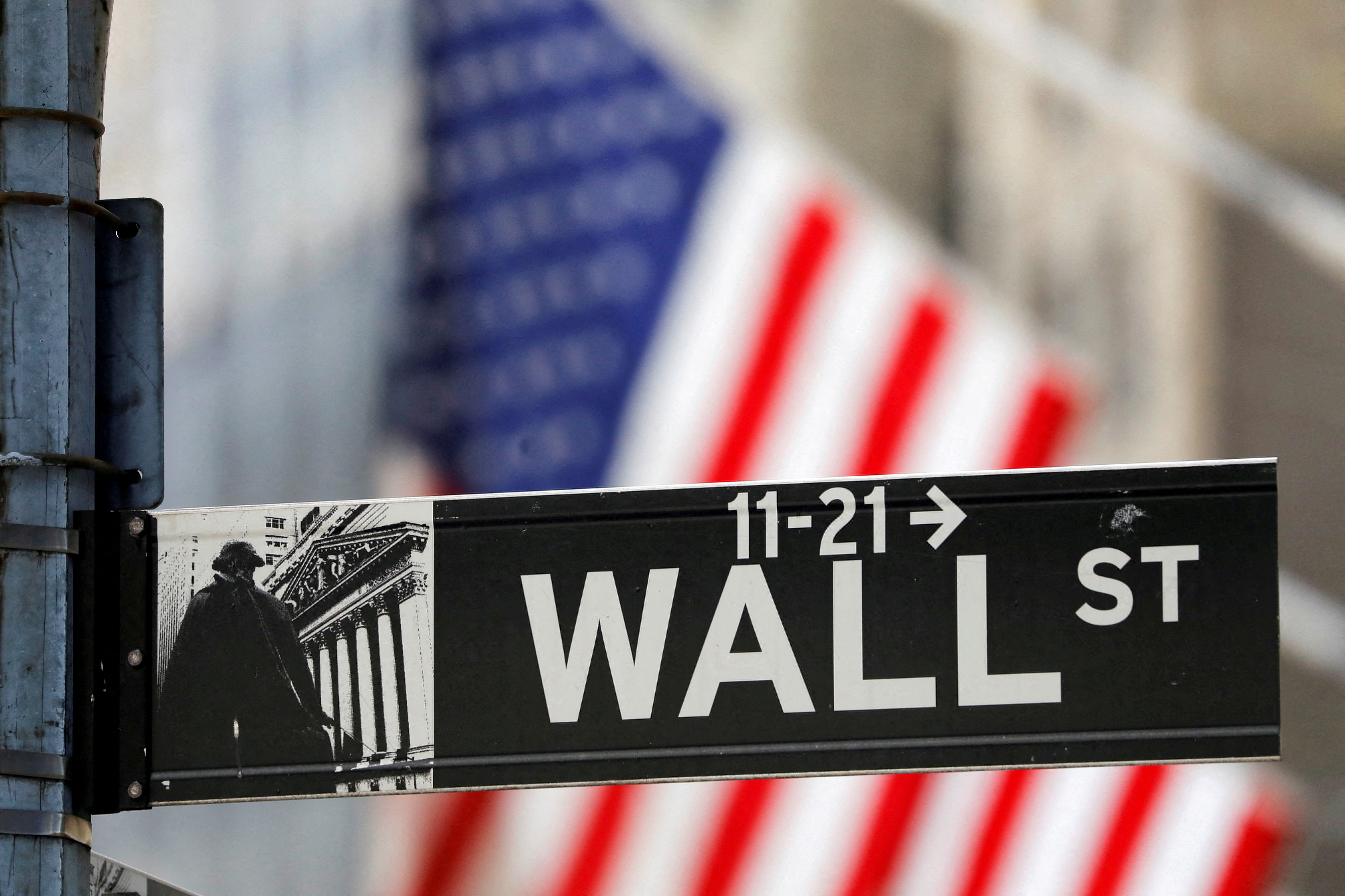
Wall Street's main stock indices closed firmly in the red, with the Dow losing 0.8 percent and the tech-heavy Nasdaq down one percent.
European stocks ended lower, with sentiment hit by official data showing that eurozone inflation hit a three-year high at 3.3 percent in August, cementing expectations that the European Central Bank would raise interest rates next week.
Oil prices jumped close to five percent on Tuesday as traders reacted to ongoing fighting between the United States and Iran, a resumption of military action for the first time in weeks.
After six months of war, the conflict remains at an impasse, with Tehran keeping the strategic Strait of Hormuz closed and Washington maintaining a counter-blockade of Iranian ports.
"With Trump now threatening further action against Iran, including against Kharg Island, Iran's key oil export hub, supply worries are once again front and centre," said Susannah Streeter, chief investment strategist at Wealth Club.
Traders are now awaiting key economic data ahead of the US Federal Reserve's policy meeting on September 16.
The jobs and consumer price index reports could play a major role in whether the bank lifts rates, with bets on an increase surging after Fed chair Kevin Warsh gave a hawkish speech on Friday.
Data released on Tuesday showed slowing US manufacturing growth and jobs openings figures came in below expectations.
The S&P 500 fell 0.7 percent, to 7,631, the Dow fell 0.8 percent, to 52,766, while the Nasdaq fell 1 percent, to 26,099. (AFP)
Edited by Robert Kemp
Global bond selling, surging oil send markets lower
2026-09-02 HKT 07:24
Share this story


