


El Nino is set to become "very strong" in the months ahead, with the weather phenomenon near certain to persist through to February, the United Nations' climate agency warned on Thursday.
The World Meteorological Organization said El Nino would peak towards the end of this year – though its knock-on impacts for the climate would continue well into 2027.
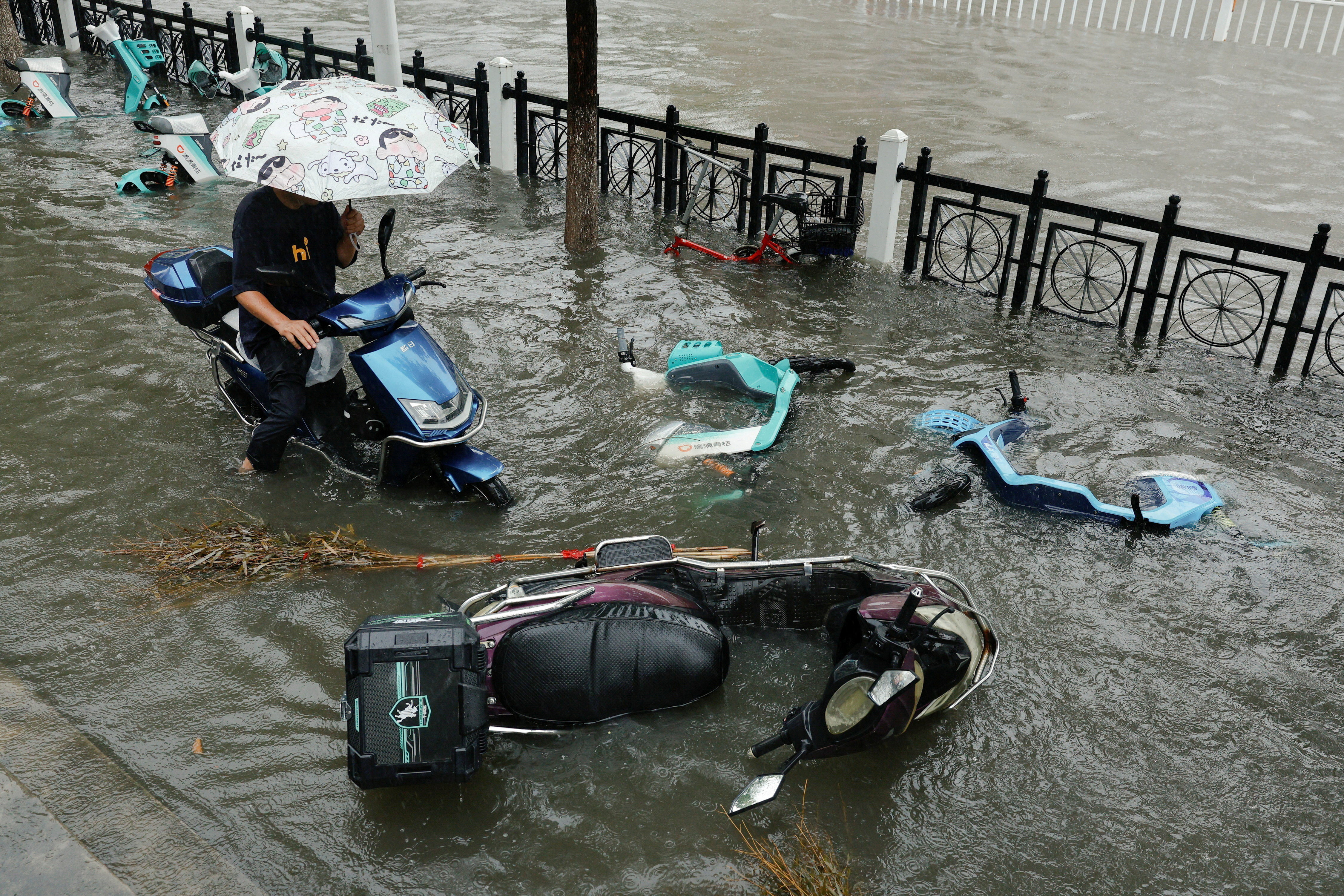
"El Nino is firmly established and will intensify into a very strong event in the coming months, with big impacts on rainfall and temperature patterns and associated risks of floods, drought and extreme heat," the organisation said.
El Nino is a natural climate phenomenon and is not caused by climate change, but scientists expect it will exacerbate the heat of a planet already warming from burning fossil fuels while amping up weather extremes.
"El Nino is being supersized before our eyes," said UN chief Antonio Guterres.
"The science leaves no room for doubt: the planet is in uncharted waters, and those waters are heating up. Sea surface temperatures are rising, temperatures keep climbing, and the world is in the danger zone of extreme weather.
"The race now is between rising risks and our commitment to take climate action and protect people. We must win that race."
El Nino tends to peak late in the year, but heat in the oceans releases more slowly into the atmosphere, pushing up global temperatures the following year.
The hottest year on record is 2024, following the last El Nino.
"This exceptional El Nino... has the potential to deliver a massive blow to communities and economies across the world", said the organisation's chief, Celeste Saulo.
"We are already seeing disruption and devastation from droughts and floods, and we expect these impacts to increase as El Nino intensifies."
She put disaster management authorities and climate-sensitive sectors like agriculture, health, energy and water on notice, saying there was "no time to lose" in getting ready.
The organisation said there was an "exceptionally high likelihood of nearly 100 percent" that El Nino would continue through to February.
For September-November, the organisation forecasts indicate an increased likelihood of above-normal temperatures "across almost all land areas", alongside rainfall patterns showing a "pronounced and classic atmospheric response to the strong Pacific El Nino", the UN's weather and climate agency said. (AFP)
Edited by Tony Sabine
El Nino weather disruptions to persist until February
2026-09-03 HKT 15:25
Share this story


