


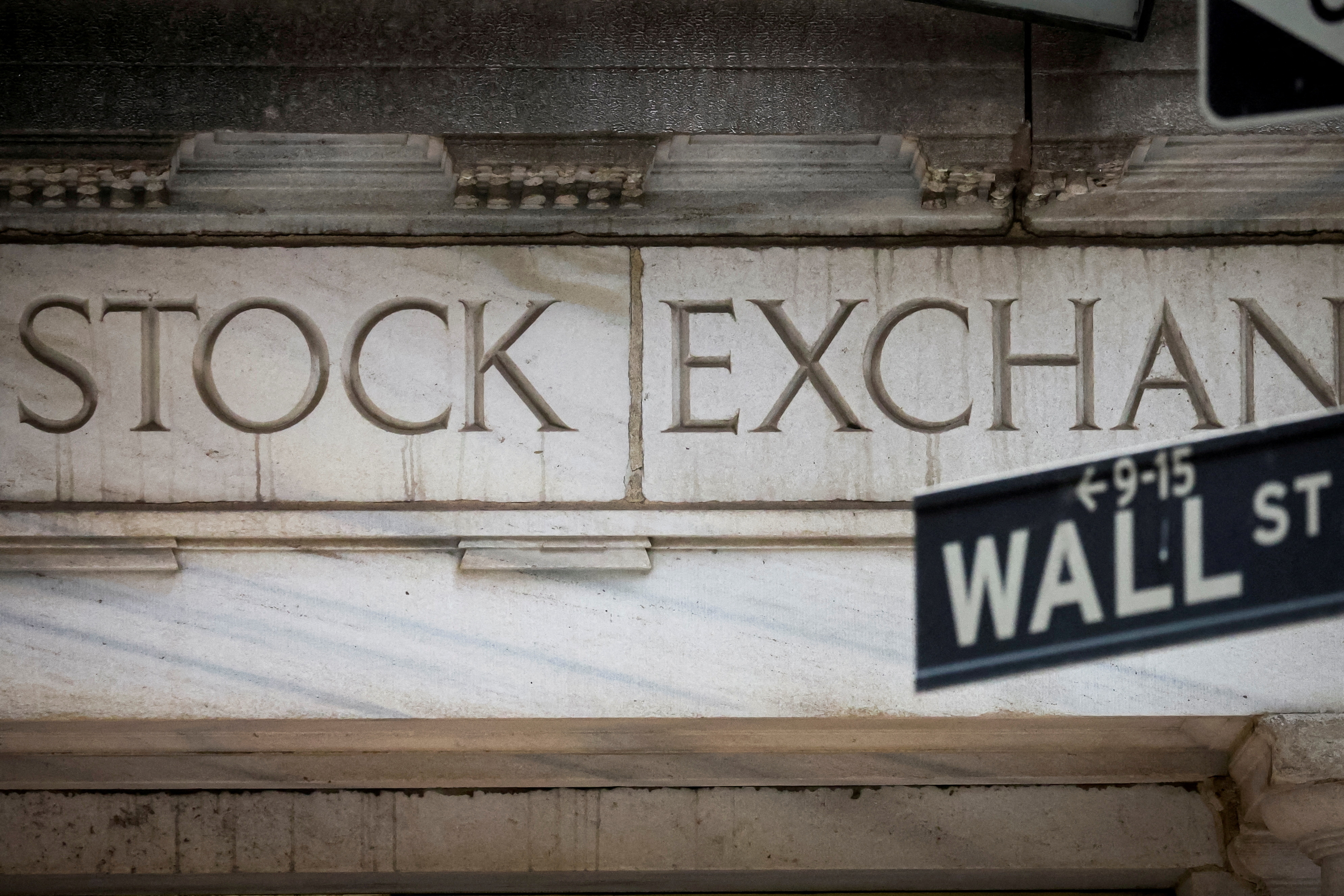
US stocks fell and Treasury yields rose on Friday after the government reported that employers unexpectedly added 162,000 jobs last month, which could increase chances that the US central bank will raise interest rates later this month.
The S&P 500 fell 0.4 percent to 7,718.60, but managed to eke out a modest gain for the week. The Dow Jones Industrial Average fell 0.5 percent to 53,414.25, and the Nasdaq lost 0.3 percent to 26,506.99.
Wall Street expects the Federal Reserve to raise interest rates before the year ends in an effort to cool inflation, which has been running hot due to rising oil prices amid the US war with Iran and remains well above 3 percent. The Fed has a stated goal of cooling inflation to a target of 2 percent.
The surprise increase in hiring last month could give the central bank’s policymakers leeway to raise the Fed’s benchmark short-term interest rate to fight inflation at their next policy meeting in less than two weeks.
“Today’s jobs report does lean toward the Fed increasing rates,” said Terry Sandven, chief equity strategist at US Bank Asset Management Group, noting, however, that a rate hike is “not a foregone conclusion”.
The Labor Department reported that hiring in August far exceeded the 65,000 forecasters had expected, according to a poll by FactSet. Labor Department revisions also looked good, adding 55,000 to June and July payrolls. The unemployment rate held steady at 4.1 percent.
The stronger jobs market could make matters more complicated for the Fed, which has to balance supporting job growth with fighting inflation. Raising interest rates can help tame inflation, but it can also slow economic growth as borrowing costs rise for households and businesses.
Expectations for a rate hike in September increased to 60.4 percent on Friday following the release of the jobs report, up from 49.4 percent on Thursday and from 57 percent a week ago, according to CME FedWatch.
“Given the strength of the payroll report, a rate hike on September 16 appears increasingly likely,” according to Jeffrey Roach, chief economist for LPL Financial. “Ironically, a rate hike may generate less market volatility than another meeting in which policymakers choose to stand pat.”
The government will release August inflation figures on September 11, shortly before the Fed’s policymaking committee’s next meeting, which ends on September 16. The closely watched consumer price index, or CPI, which measures costs for consumers, is expected to show that inflation rose last month by 3.4 percent, the same as in July. Inflation has held above 3 percent for most of the year.
Fed Chair Kevin Warsh said last week at the Fed’s annual economic symposium in Jackson Hole, Wyoming, that inflation had not shown sufficient improvement and that the central bank might have “more work to do,” a sign he is weighing a rate increase at the Fed’s next meeting.
On Thursday, Federal Reserve governor Christopher Waller said that if new data next week shows inflation is cooling, he “would be inclined” to keep the Fed’s benchmark interest rate unchanged. Should the data show hotter inflation, he would consider a rate hike.
US government bond yields, which had eased the last couple of days, rose as the bond market weighed the implications of the jobs report.
The yield on the 10-year Treasury, which influences mortgage rates, rose to 4.78 percent from 4.77 percent late on Thursday.
US stock markets will be closed on Monday for the Labor Day holiday. (AP)
Edited by Robert Kemp
US markets end lower after jobs report
2026-09-05 HKT 05:15
Share this story


