


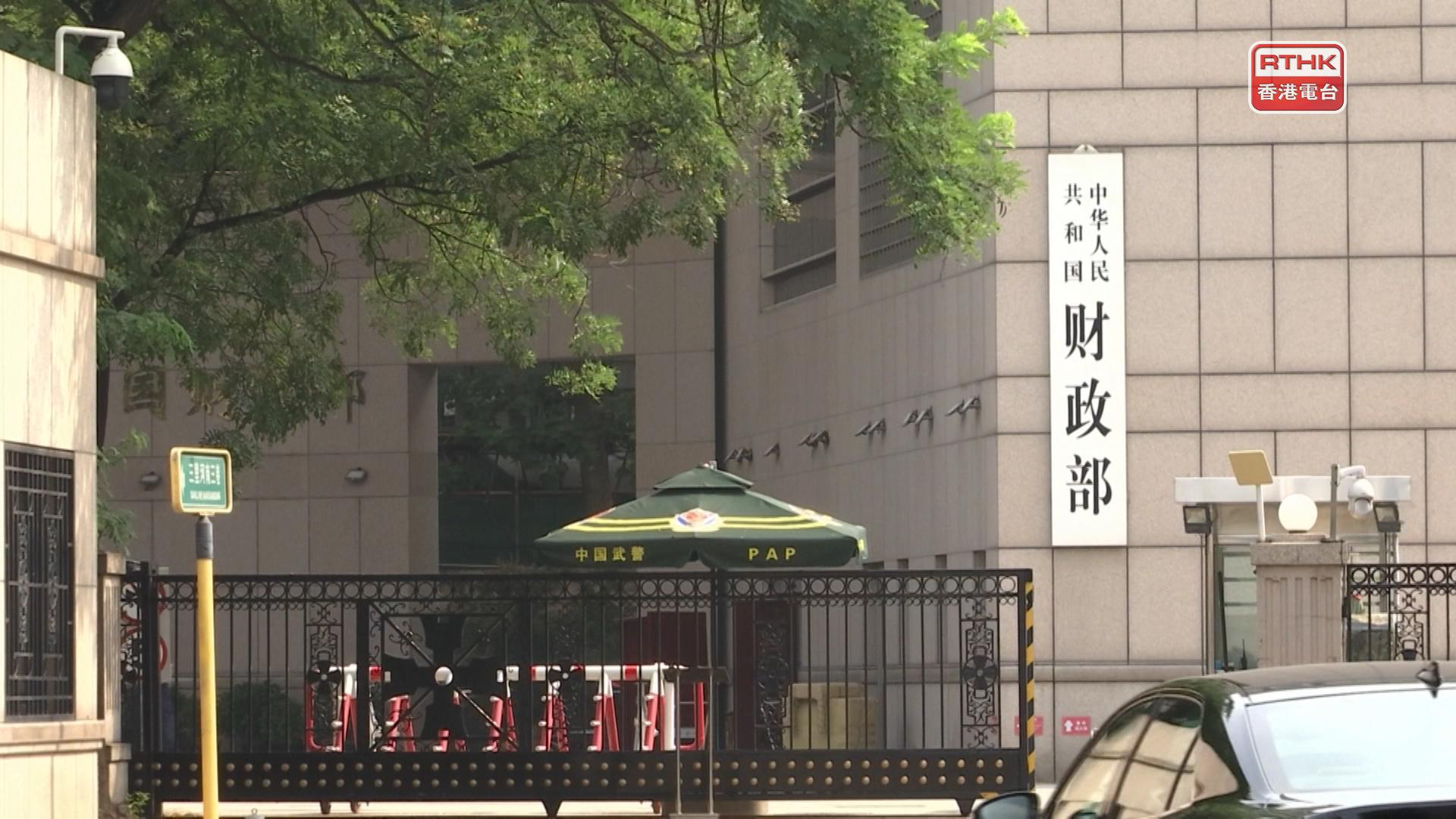
Beijing's plan to inject capital into big state-owned insurers is expected to ease capital constraints and solvency pressures that have held back insurers from investing more long-term funds into the stock market, analysts said.
Five state-owned insurers and three banks said on Sunday they would raise up to a combined 360 billion yuan through capital injections from the Ministry of Finance and other shareholders.
The eight institutions comprise two major state-owned commercial banks, Industrial and Commercial Bank of China (ICBC) and Agricultural Bank of China; two policy financial institutions, the Export-Import Bank of China and China Export & Credit Insurance Corporation; and four state-owned commercial insurers: the People's Insurance Company (Group) of China, China Life Insurance (Group) Company, China Taiping Insurance Group and China Reinsurance (Group) Corporation.
The ministry said it would issue 300 billion yuan in special treasury bonds in replenishing their core Tier 1 capital.
Core Tier 1 capital is the highest-quality form of capital used to absorb losses and serves as a key buffer against financial risks. For banks, a stronger core Tier 1 capital position generally provides more room to expand lending while maintaining regulatory capital ratios.
It would mark the first time China has used special bonds to support insurers, extending a financing tool previously reserved for state-owned banks.
The recapitalisation could help bolster state insurers that were directed to support the stock market with medium- and long-term funds, while positioning them to help regulators manage smaller, higher-risk insurance companies.
"The state-led injection will make it easier for insurers to buy equities and meet solvency requirements," said Gary Ng, senior economist for Asia-Pacific at Natixis, noting Beijing had asked them to invest 30 percent of new premiums into stocks from the beginning of last year.
The share of assets invested in equities was only 21 percent at the end of 2025 based on five major listed mainland insurers, he said.
Zhongtai Securities analysts said in a note that in the short term, the fresh capital would ease pressure on solvency ratios, particularly core solvency, that were negatively affected by a decline in government bond yields used to value liabilities.
Over the medium term, it removes a constraint on insurers boosting long-term equity investments, and longer term it strengthens the capital base of state-owned insurers, they said.
Dong Ximiao, chief economist at Merchants Union Consumer Finance Company Limited, described the capital injection as a forward-looking strategic move.
He noted that banks' ability to accumulate capital internally has weakened amid declining interest rates and narrowing net interest margins, while global systemically important banks such as ICBC face higher additional capital requirements when they move into higher regulatory buckets. (Reuters/Xinhua)
_____________________________
Last updated: 2026-09-07 HKT 21:14
Edited by Edmond Fong
'Capital injection will ease solvency pressures'
2026-09-07 HKT 18:47
Share this story


