




Visitors attending this year's Belt and Road Summit said on Wednesday that the signature initiative launched 13 years ago is yielding more "tangible outcomes" amid rising investment appetite.
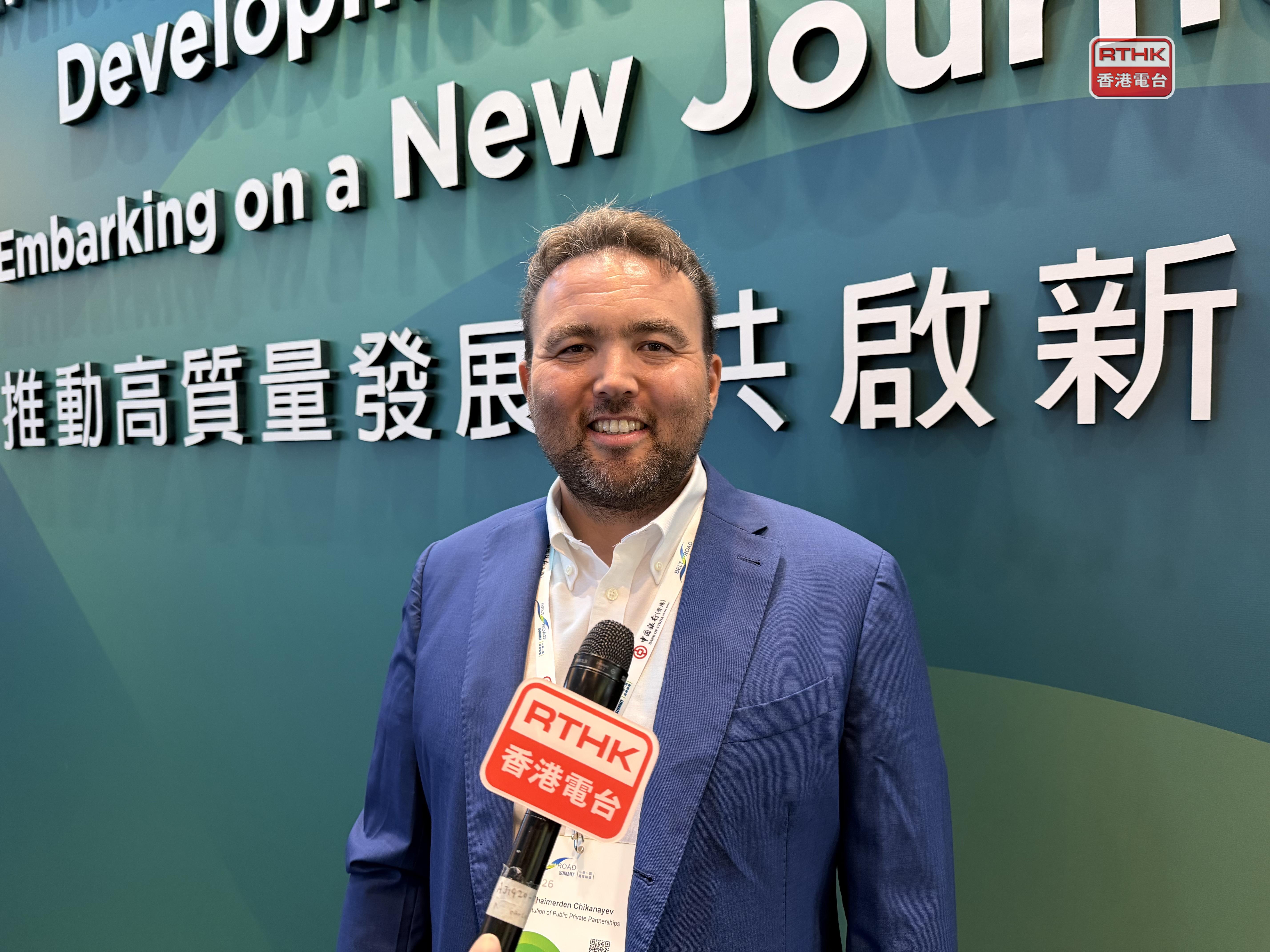
Shaimerden Chikanayev, a lawyer from Kazakhstan, said Chief Executive John Lee's visit to Central Asia earlier this year has sparked interest from businesses from both regions to expand trade and cooperation.
He also said the Belt and Road Initiative (BRI) has created "tangible projects" that have improved people's lives in his home country.
"I think the Belt and Road Initiative is one of the best ideas," he said, recalling President Xi Jinping's announcement of the scheme during a speech in Astana in 2013.
"At the beginning, there were not so many projects under Belt and Road Initiative. There was more talk than real business," he said.
"[But] what I see is the difference now – we see more and more real projects. For example, if you go to Astana again, to my hometown, you will see the so-called light railway transport just commissioned this year.
"It's really improving the lives of the people in Kazakhstan," he added.
Chikanayev, who's pursuing a doctoral degree in Hong Kong, revealed that more Kazakh firms have prioritised fundraising or dispute resolution in the SAR over places like London.
He cited Hong Kong's advantages in financing and its common law system, while being a gateway to the mainland.
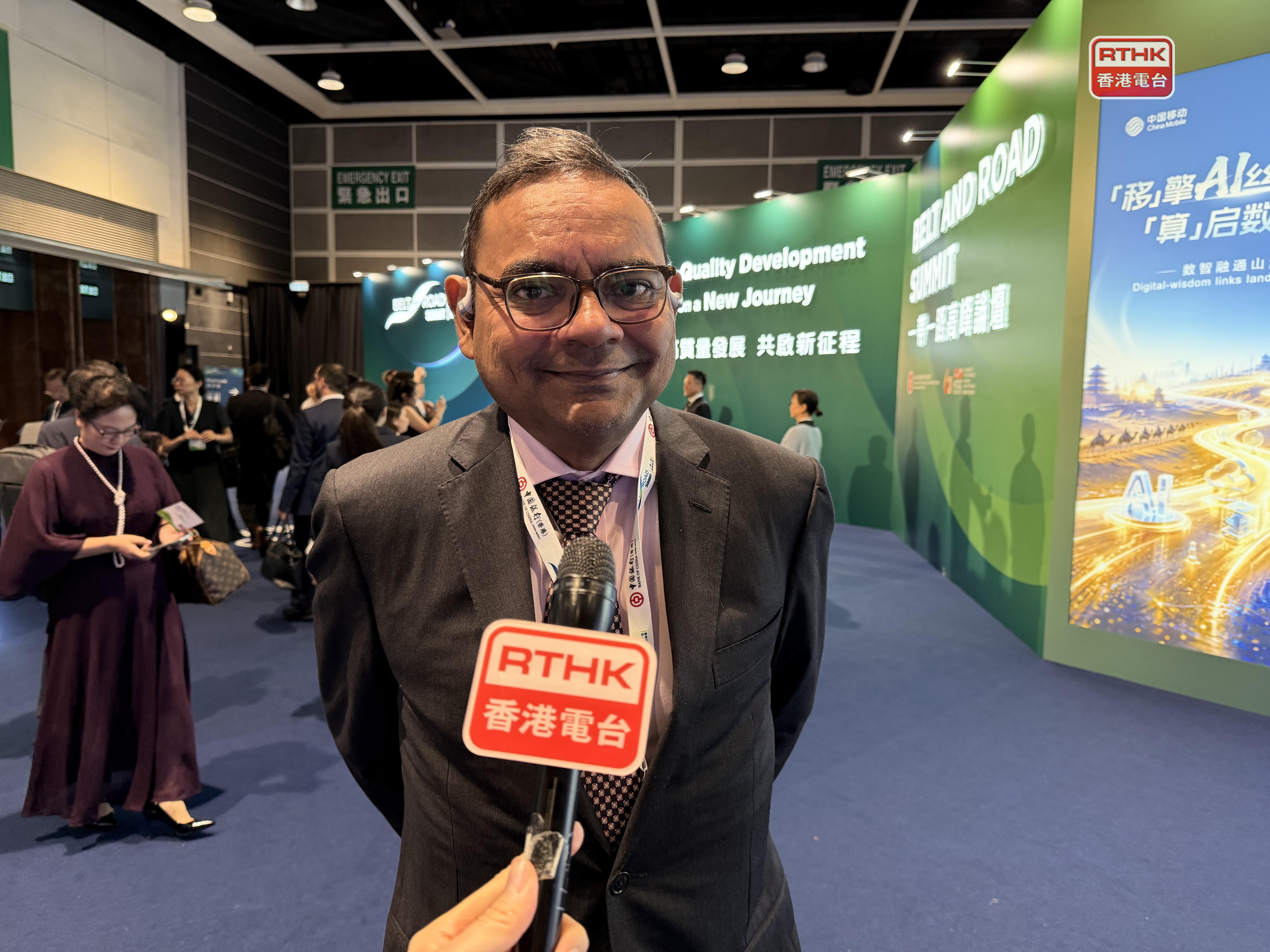
Sumit Dutta, from Thailand, said global companies seeking long-term, sustainable growth are doubling down on their investments in the Asean region in recent years.
"I think the Belt and Road is, to me, it began with infrastructure, but I see it progressing far beyond," he said.
"It's gradually evolving into a kind of Asian trade and investment event – where of course China is at the forefront and infrastructure is at the forefront, but there's room for many other industries and many other markets to grow."
The former banker who now runs a Singapore-based consultancy firm added that international firms also wish to tap into the region's fast-moving consumer markets.
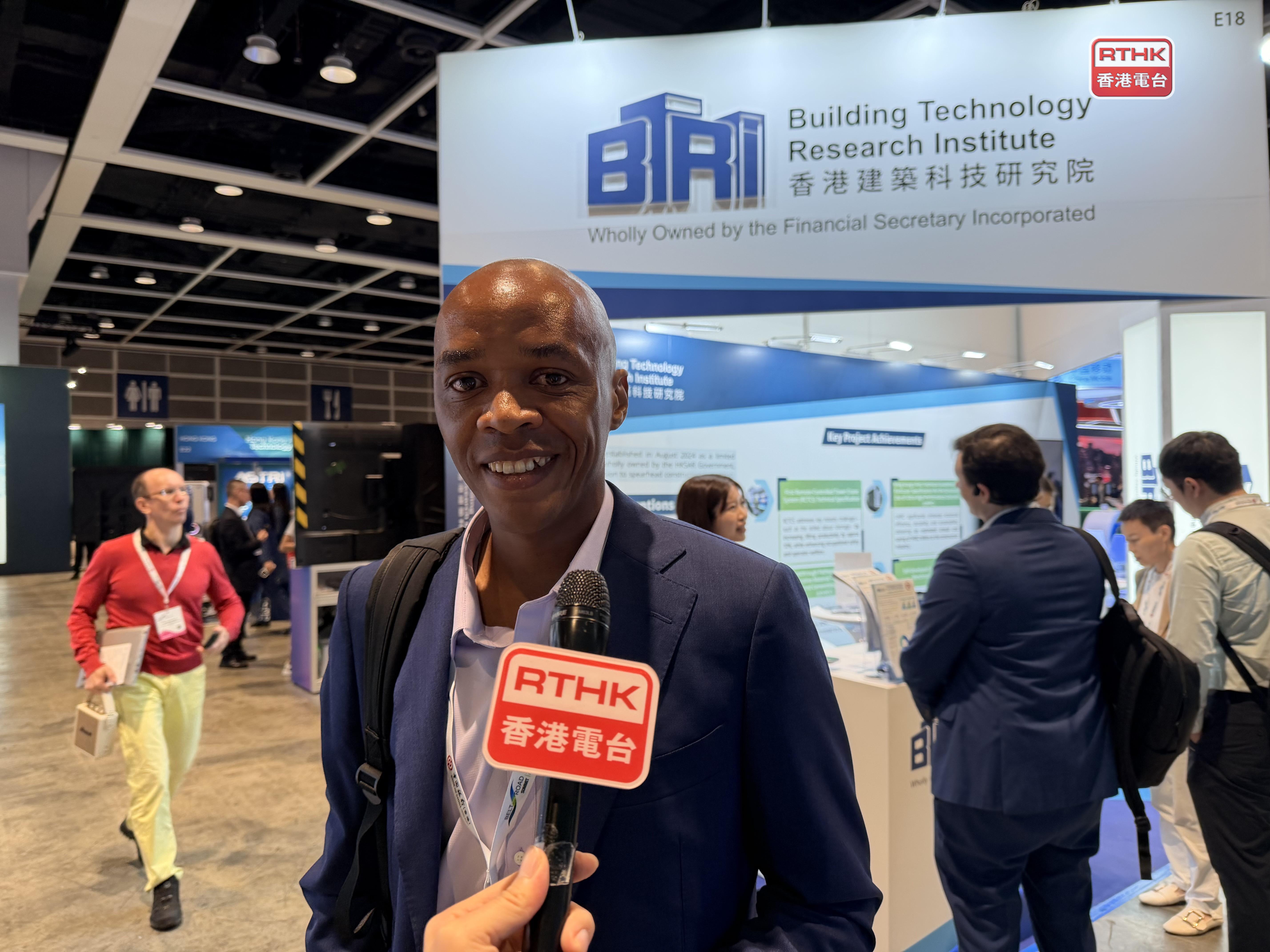
Separately, Michael Odhiambo, a Hong Kong-based entrepreneur originally from Kenya, said he hoped to expand his businesses in the "under-served markets" in Southeast Asia and Africa.
"I think the [BRI] framework makes it easier [for us] to do business," he said.
"It's easier to have a conversation about setting up shop in a different country as long as the initiatives are coming from the Belt and Road; it makes it much easier to have conversations with the stakeholders."
Edited by Raymond Yeung
'Belt and Road Initiative yielding tangible outcomes'
2026-09-09 HKT 20:41
Share this story


Kazakh lawyer Shaimerden Chikanayev speaks to Chloe Feng

