


Oil prices and bond yields were higher in an uncomfortable combination for Asian equities on Tuesday, as investors braced for an interest rate hike in Australia and an era where short term borrowing costs settle at their highest for years.
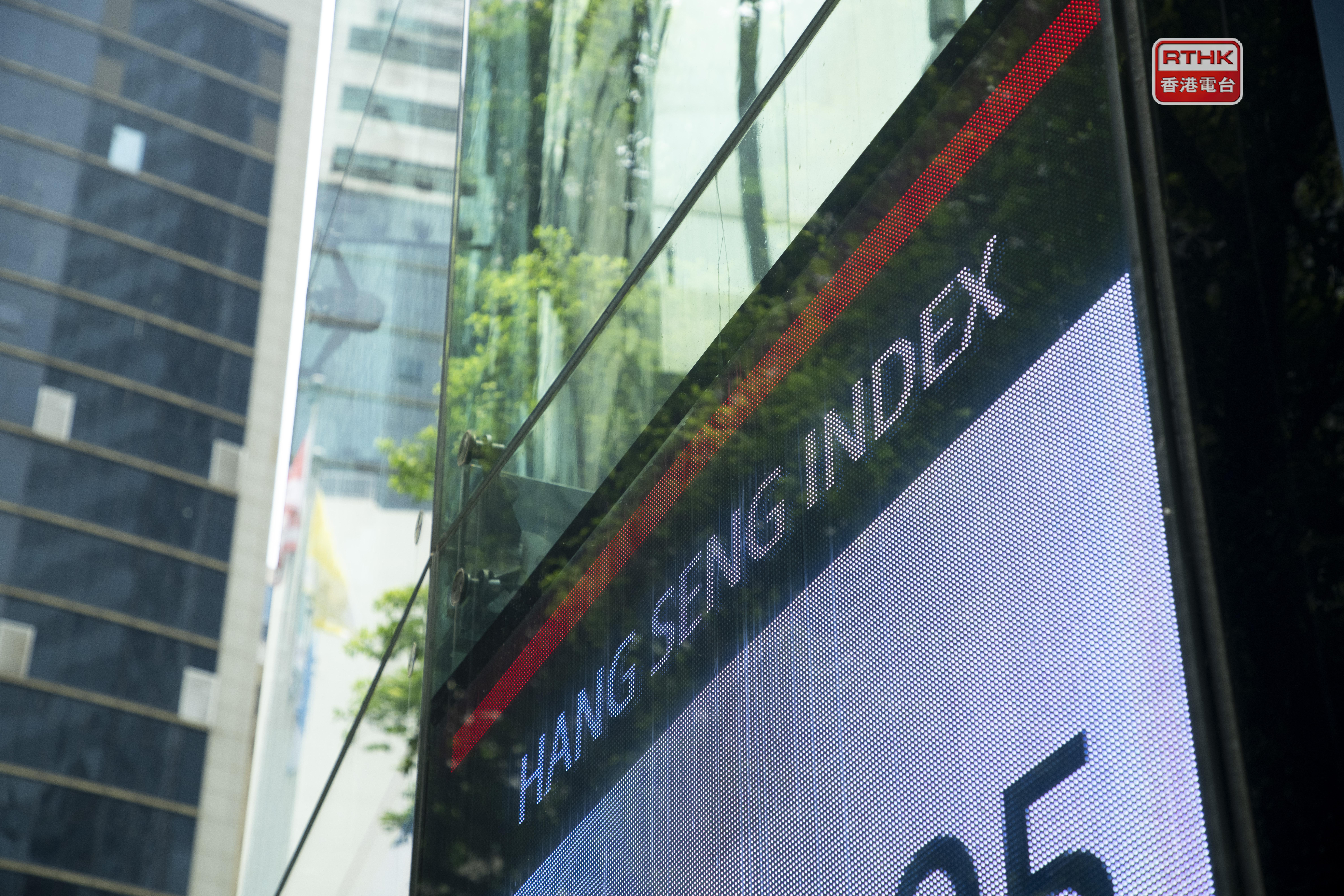
In Hong Kong, the benchmark Hang Seng Index opened up six points, or 0.02 percent, at 24,648 but plunged into the red soon after and was 131 points down at one stage in early trading.
The tech index was down nine points, or 0.21 percent, at 4,286 while the China enterprises index was up 10 points, or 0.13 percent, at 8,227.
On the mainland the Shanghai Composite Index opened down seven points, or 0.2 percent, at 3,816.
The Shenzhen Component Index slid 19 points, or 0.15 percent, to 12,839 while the ChiNext Index inched down three points, or 0.11 percent, to 3,136.
The mixed openings came as the benchmark 10-year US Treasury yield spiked to a 19-year high above 5.27 percent overnight for a rise of nearly 50 basis points through September.
Yields rise when bond prices fall and the monthly selloff is the heaviest for two years.
The US two-year yield has moved even further, shooting up more than 57 bps this month to the threshold of five percent, as traders figure that US growth and inflation will drive three more Federal Reserve rate hikes by the middle of next year.
Sovereign yields are an anchor for global markets, a reference price for investing in riskier stocks and a benchmark for mortgages and corporate borrowing.
Higher rates mean pressure on government, corporate and household budgets.
Overnight only a massive US$150 billion boost to a buyback plan by chipmaker Nvidia, which lifted the stock price, held the rates-senstive Nasdaq to a fall of 0.9 percent.
In Asia, bond markets in Japan, South Korea and Australia traded under pressure and most regional equity markets slipped.
"The way to look at expected returns and overall bond yields going forward [is] we're coming to a new environment," said Angus Hui, head of fixed income at Fullerton Fund Management in Singapore.
"Interest expenses are increasing as a part of the government budget in a lot of developed markets," he said, which means stretching sovereign finances and perhaps limiting a recovery for bonds should the global economy slow down.
"Hence we think bond yields are unlikely to go back to the very good old days when bond yields were very, very low," he said.
No sign of a breakthrough in Middle East left Brent crude futures at US$106.60 a barrel and climbing.
Fragile sentiment in China's technology sector, where stocks were hit on Monday by US plans to ban Chinese components from data centres, left the blue chip CSI300 index pinned to a one-year low.
The prospectus for US AI giant Anthropic illustrates the scale of the gamble on AI, with the company targeting a US$2 trillion valuation, but planning to spend US$518 billion on computing and infrastructure to build its transformative vision.
Foreign exchange markets were broadly steady through the Asia morning on Tuesday, leaving the US dollar headed for a monthly gain.
The yen rose on Monday when Japan's top currency diplomat said traders ought to heed the signal from Tokyo and Washington's united concern last week at yen weakness.
It hovered at 157.31 per dollar, while the euro held at US$1.1367.
The Australian dollar was steady at US$0.7012, with a Reserve Bank of Australia rate hike fully priced, along with another hike by February.
"We question whether the governor can be sufficiently hawkish to frank the markets current mindset, especially if the decision is not unanimous," said Damien McColough and Uma Choudhury, rates strategists at Westpac, in a note.
In Tokyo, the Nikkei opened lower by 319 points, or 0.49 percent, at 65,557, with its losses widening to 696 points at one stage before noon.
In Seoul, the Kospi opened 45 points, or 0.66 percent, lower at 6,844 but regained ground to be around seven points under at one stage before lunch as strength in semiconductor stocks offset weakness elsewhere. (Reuters/Xinhua)
Edited by Tony Sabine
HK stocks inch up amid bond, oil and rates jitters
2026-09-29 HKT 11:07
Share this story


