


Asian stocks mostly rose on Tuesday as a tech-led record on Wall Street was tempered by ongoing worries about a spike in government borrowing costs.
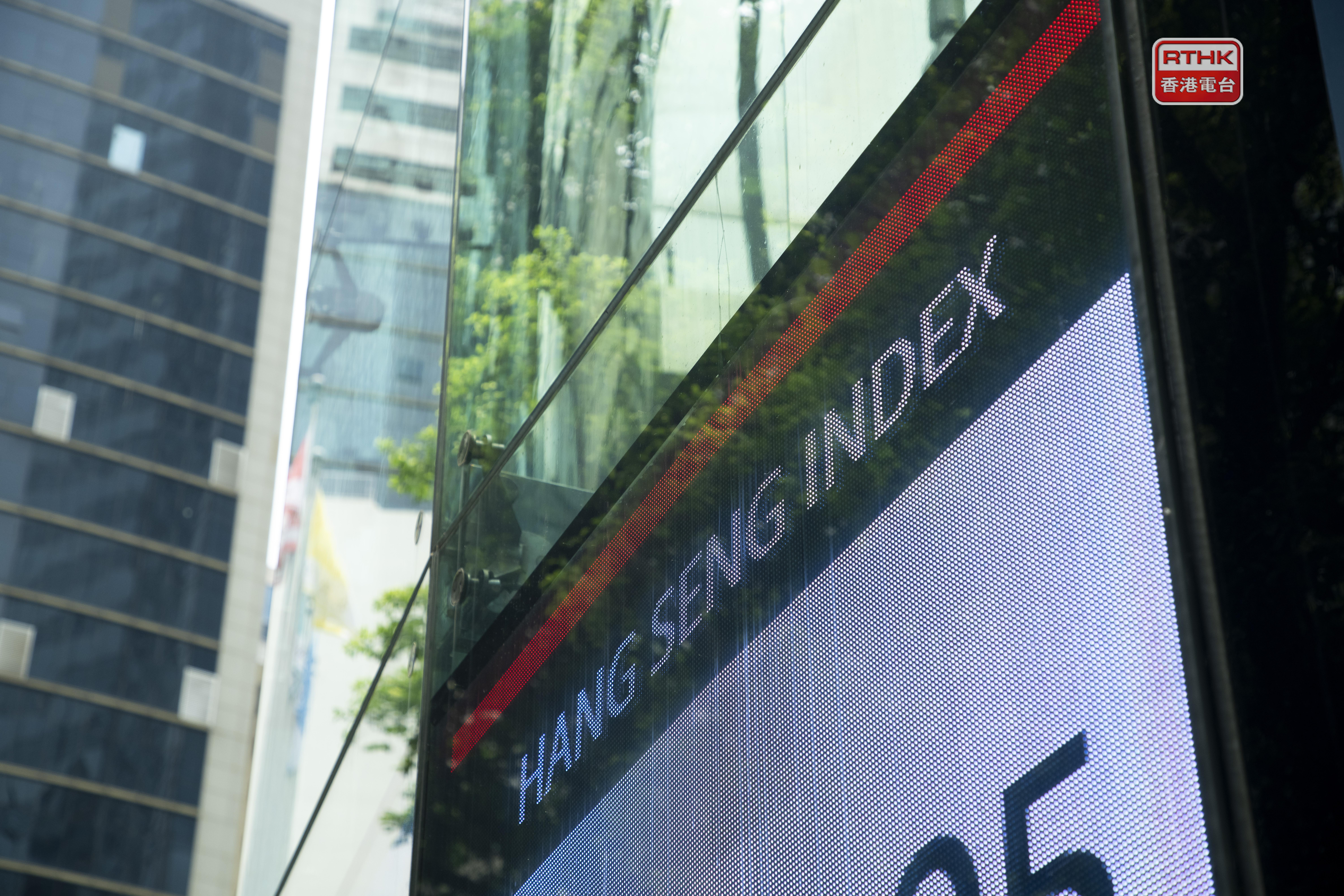
In Hong Kong, the benchmark Hang Seng Index ended the day 240 points, or one percent, higher at 24,280 on turnover of HK$98.26 billion.
The tech index was 39 points, or 0.9 percent, up at 4,223 while the China enterprises index advanced 77 points, or one percent, to 8,128.
Oil held most of the losses seen in response to a G7 release of stockpiles, Saudi Arabia's price cut and a pick-up in Gulf exports to pre-war levels, though supply fears are keeping prices elevated.
The US Nasdaq closed at a fresh peak thanks to rallies in tech giants including Nvidia, SpaceX and Meta, though observers pointed out that the market gains were increasingly concentrated on a few stocks.
Asia struggled to match the positive energy on Wall Street in the morning but picked up as the day progressed.
In Tokyo, the Nikkei ended up 737 points, or 1.05 percent, at 70,683 as a morning advance accelerated in the afternoon session after strong demand at a closely watched sale of 10-year Japanese government bonds allayed worries about the debt market.
The broader Topix climbed 38 points, or 0.92 percent, to 4,183.
In Seoul, the Kospi closed down 62 points, or 0.89 percent, at 6,941 as chipmakers declined ahead of Samsung Electronics' earnings later in the week.
Still, there remains plenty of uncertainty among traders over the Middle East crisis, which has fanned energy costs and in turn pushed inflation higher – putting pressure on central banks to hike interest rates.
This has pushed government bond yields up to levels not seen for decades.
Analysts have pointed out that the race to build out AI data centres, servers and chips has compounded that problem, with tech titans no longer able to rely on their vast piles of cash.
Borrowing by firms including Google, Amazon and Microsoft hit around US$500 billion in the nine months since January, and Goldman Sachs expects a further ramp-up in 2027, to US$1.2 trillion.
"This is not something that we've seen before," said Chris Della Fave, senior vice president at fundraising advisory firm Post Oak Group, who estimates that AI now accounts for 25 percent of all corporate bond issuance – up from four percent two years ago.
Oil prices sank to extend Monday's drop, with Brent back below US$100.
However, Saudi Aramco's chief executive Amin Nasser – speaking after the G7 release – warned over global stockpiles.
"The system is already straining," he told the Energy Intelligence Forum in London.
"And with precious little else the world can turn to, the supply resilience cushion is scarily thin."
Middle East oil exports, excluding Iran, surpassed their pre-war levels last week despite attacks on ships in the Strait of Hormuz, according to data from the maritime tracking firm Kpler.
But Nasser warned on Monday against looking at headline figures for reserves, noting that "less than 10 percent" were available. (Reuters)
Edited by Tony Sabine
HK, region mostly up as debt fears temper tech gains
2026-10-06 HKT 16:50
Share this story


