


Nearly 6,000 monitored vertebrate species across more than 35,000 populations declined by an average of 73 percent from 1970 to 2022, the World Wide Fund for Nature said in its latest Living Planet Report published on Thursday.
The Living Planet Index, managed by the Zoological Society of London (ZSL) and WWF, monitored a total of 35,803 populations covering 5,790 different species of mammals, birds, reptiles, amphibians and fish over the 52-year period.
The 2026 Living Planet Report estimates that overall populations fell by an average of around 2.5 percent per year over the period.
"Monitored global populations continue to decline on average with no evidence yet of that global recovery," said Andrew Terry, chief conservation officer at ZSL.
The average rate of decline across the monitored populations does not represent a headcount of the total number of animals lost from 1970 to 2022, and the number is especially sensitive to changes in already small populations.
Monitored freshwater species saw an average decline of 85 percent while terrestrial species fell 69 percent and marine species 59 percent, the index showed.
The steepest average population declines were in South America, at 95 percent, with Africa also experiencing losses of 80 percent from 1970 to 2022.
The 2026 Living Planet report incorporated an additional 295 species and 967 populations across a longer time series compared to the last report in 2024.
The additional data "reinforces our confidence in the continued decline in biodiversity," Terry told a briefing.
Habitat loss and degradation were the most frequently reported threat, but wildlife populations are also at risk from overexploitation, climate change, pollution, invasive species and disease.
"Amid these steep declines, there are grounds for hope, rooted in evidence," said Kirsten Schuijt, WWF's director general. "Wildlife populations are under pressure but recovery is in reach."
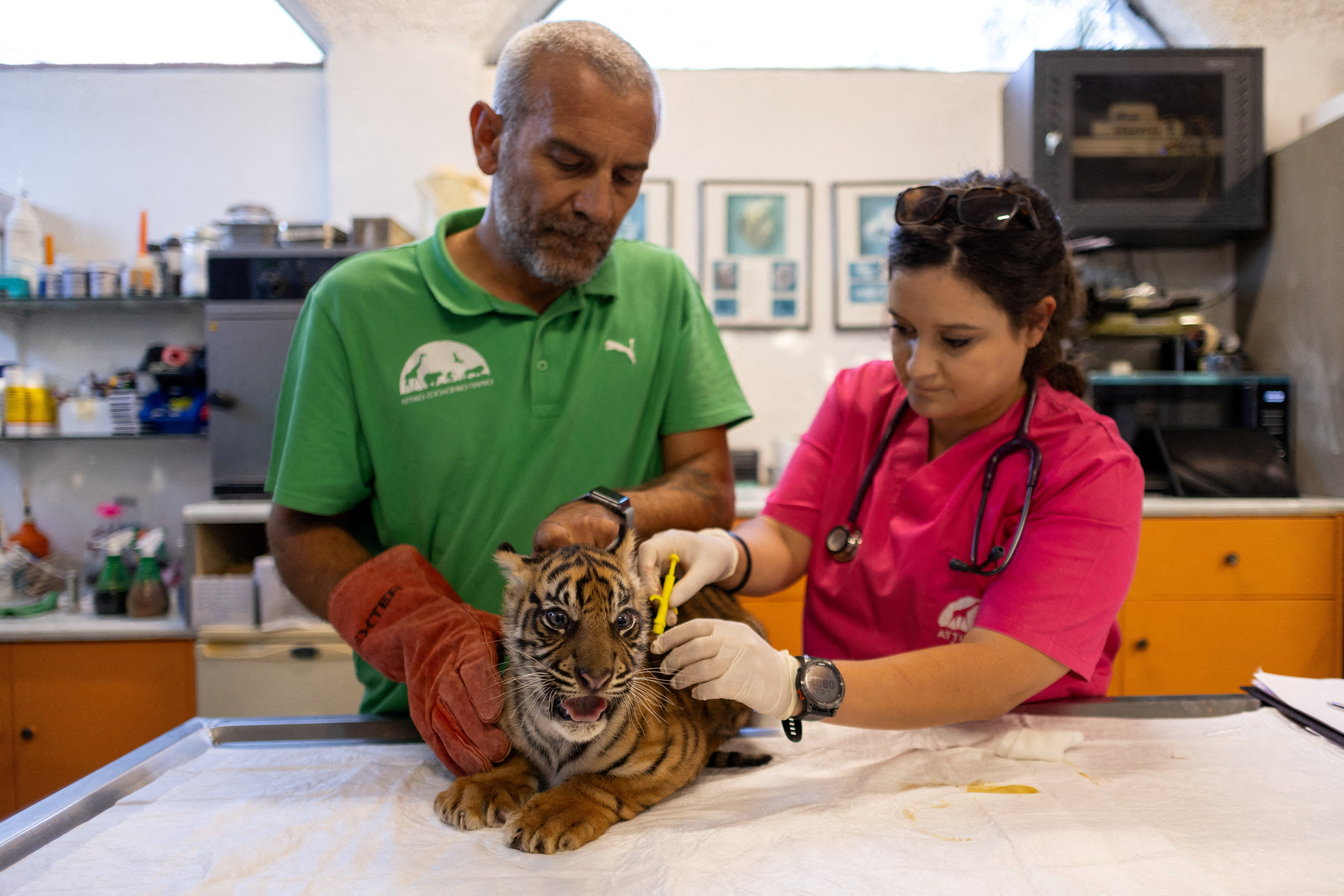
Targeted conservation efforts have enabled populations of some species to recover, including tigers, Atlantic and Pacific bluefin tuna, southern African elephants and green sea turtles.
Alongside conservation efforts, changes in the energy, food and finance systems are required to halt nature loss, Schuijt said. (Reuters)
Edited by Tony Sabine
Population declines spark fears over biodiversity
2026-10-08 HKT 12:23
Share this story


