


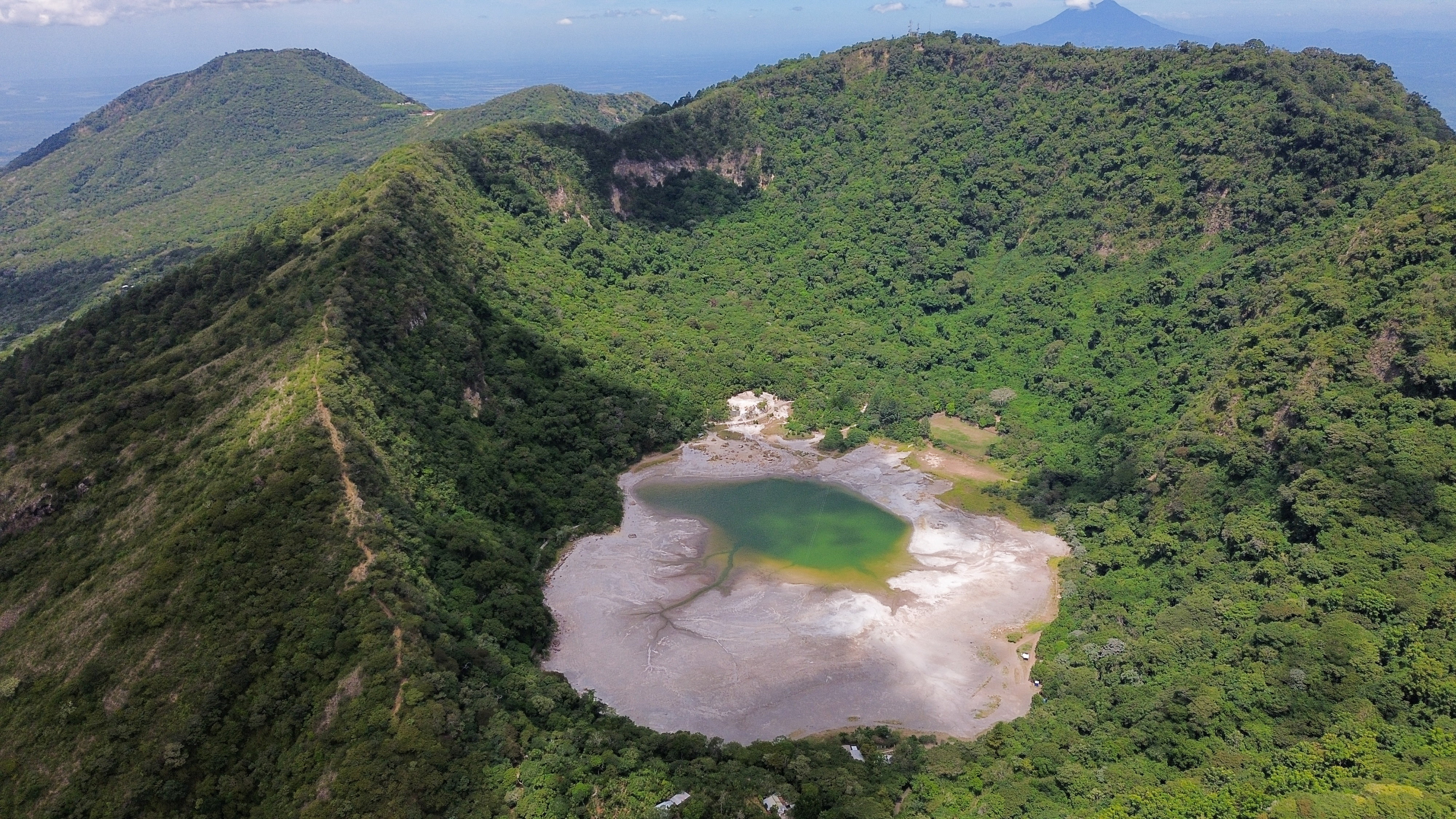
This year's El Niño will intensify before peaking in December and is nearly 100 percent certain to last until February, the World Meteorological Organisation said in its monthly climate bulletin on Thursday, with sea surface temperatures set to break records.
"Forecasts indicate a near-100 percent likelihood that [El Niño] will persist through February 2027, potentially being one of the strongest since at least 1950," the World Meteorological Organisation's secretary-general Celeste Saulo said.
The UN weather body said sea surface temperatures in the central and eastern tropical Pacific, the region at the heart of El Niño phenomenon, were expected to reach a record 3.7 degrees Celsius above normal from October to December.
The forecast temperature anomaly is significantly higher than the previous record of 2.6 degrees from November 2015 to January 2016, it said.
"The ocean it's drawing from is the warmest we've ever measured it. There is simply more heat available to release," Saulo said.
El Niño is the warm phase of the naturally occurring El Niño-Southern Oscillation cycle, a climate pattern that influences weather around the world.
It tends to cause higher global temperatures and disrupt rainfall patterns across large regions – meaning drought in some areas and heavy rains in others and typically occurs every two to seven years.
Mean global temperatures in August reached 16.96 degrees, tying with July 2023 as the hottest month on record, according to the European Union's Copernicus Climate Change Service.
Researchers at the University of Chicago's Climate Impact Lab predicted last month that this year's "super-El Niño" was likely to result in as many as 451,000 excess deaths across the globe from June to February. (Reuters)
Edited by Tony Sabine
El Nino to peak in December and last until February
2026-10-08 HKT 16:09
Share this story


