


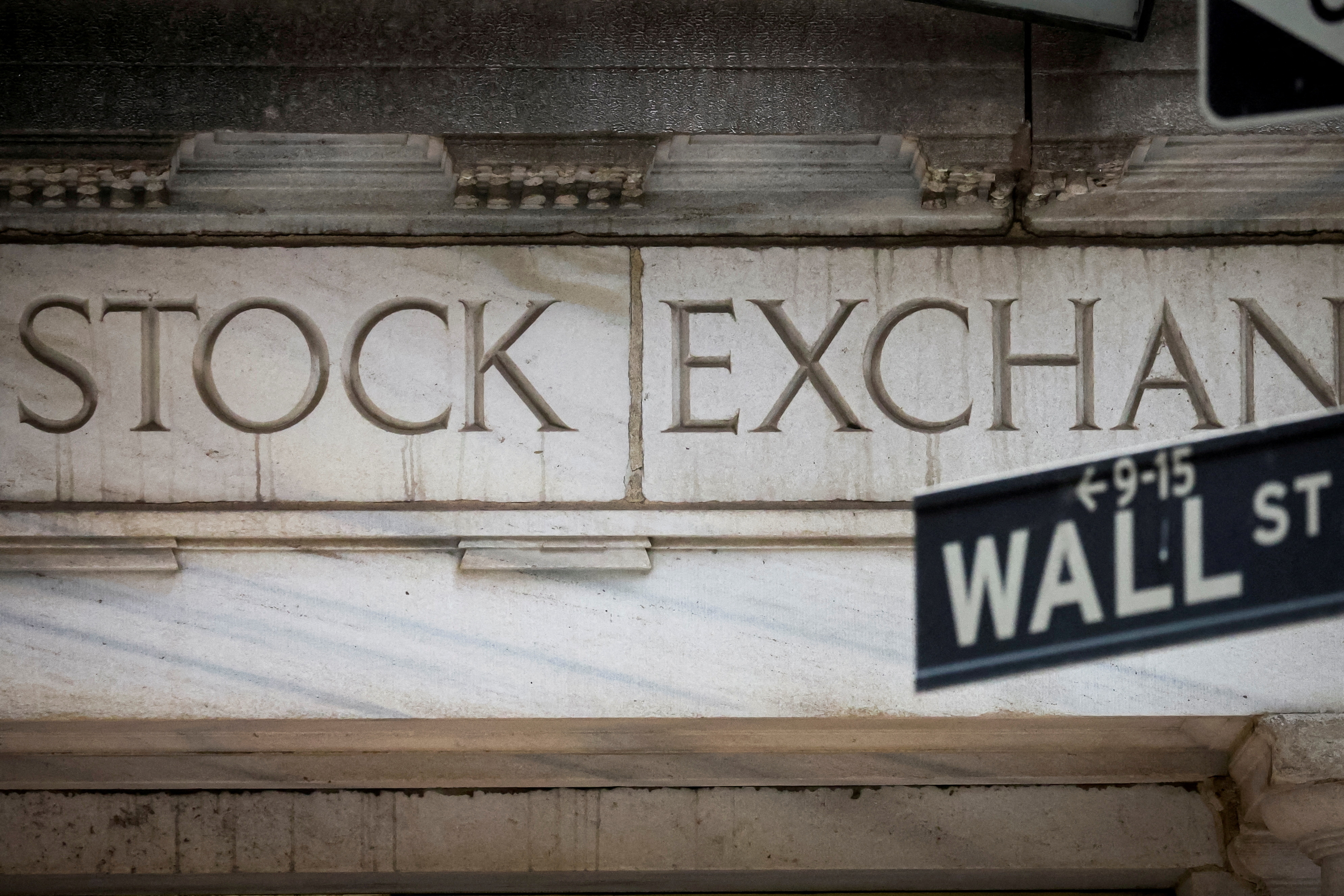
US markets closed higher, with investors shifting their focus to next week, with third-quarter earnings season set to start and inflation data expected, which could shed light on the Federal Reserve's next policy decision.
All three major US stock indexes advanced on the day, logging weekly gains.
"It's the kind of back-and-forth market we've been in where we have the reversal of sentiment around Iran," said Ross Mayfield, investment strategy analyst at Baird in Louisville, Kentucky. "With conflicting headlines coming out of the White House and parties in the Middle East, there's just no edge there."
"That's why it's a fairly tepid rally," Mayfield added.
Crude prices initially retreated after US President Donald Trump said the US will not launch any attacks on Iran before the midterm elections, adding that talks between Washington and Tehran aimed at ending the market-rattling Iran war were "productive."
Front-month West Texas Intermediate oil and Brent crude both settled up 0.4 percent.
Benchmark Treasury yields edged higher, but remained below Wednesday's 24-year high.
Third-quarter reporting season begins in earnest next week, with big US banks Wells Fargo, Goldman Sachs, Citigroup, JPMorgan Chase, Bank of America and Morgan Stanley scheduled to release results.
The mood of American consumers, who shoulder about 70 percent of the US economy, has soured this month, according to the University of Michigan, with near-term expectations deteriorating to an all-time low.
The Dow Jones Industrial Average rose 423.31 points, or 0.83 percent, to 51,654.95, the S&P 500 gained 46.15 points, or 0.59 percent, to 7,811.54 and the Nasdaq Composite gained 172.83 points, or 0.64 percent, to 27,366.17.
AI-related momentum stocks were generally higher, with the Roundhill Magnificent Seven ETF up 1 percent as the US bull market, largely driven by the AI boom, approaches its four-year anniversary.
"Chips have been this year's story," said Michael Monaghan, portfolio manager at Founder ETFs in Dallas. "(It's) a multidecade technological change and just at the beginning of whatever's happening, not at the end."
Elon Musk's SpaceX struck a deal to acquire a nationwide low-band spectrum portfolio, posing a direct challenge to US wireless companies. Telecom firms T-Mobile US , AT&T, and Verizon dropped between 8.8 percent and 13.3 percent.
Apple slid 1.1 percent after a media report that the iPhone maker has told some suppliers to cut production of components for its newly launched iPhone 18 Pro and iPhone 18 Pro Max, as soaring memory chip costs and price increases dampen consumer demand. (Reuters)
Edited by Robert Kemp
US stocks close higher ahead of earnings
2026-10-10 HKT 07:57
Share this story


