


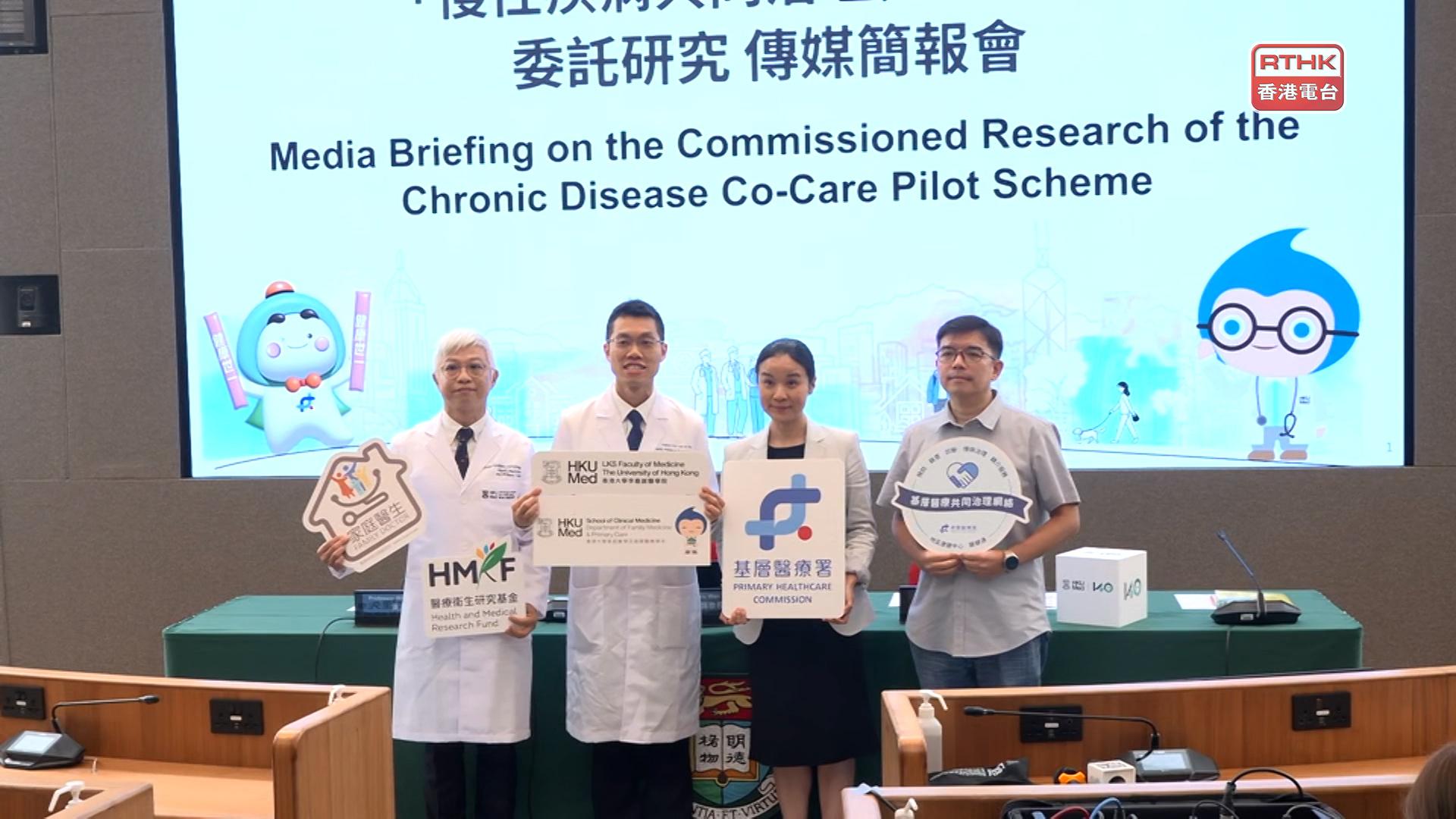
The Chronic Disease Co-Care Pilot Scheme can effectively improve the cardiovascular and metabolic health of participants in the trial project and reduce the burden of long-term illnesses on the community, a study by the University of Hong Kong medical school has found.
The study, the findings of which were released on Monday, was commissioned by the Health Bureau and saw HKUMed delve into the impact of a pilot scheme that swelled in numbers to about 300,000 participants between November 2023 and the end of this September.
Of the 160,000 participants who had been put through the whole screening process, about 40 percent, or 64,000, was diagnosed with high blood pressure or diabetes.
Eric Wan, associate professor of family medicine and primary care, said the study found a drop in the number of diabetics who had participated in the pilot scheme and completed follow-up treatments for a year.
The results, he said, showed significant reductions in their glycated haemoglobin and LDL cholesterol, two important markers used to evaluate long-term blood sugar control and cardiovascular health in diabetics.
"The glycated haemoglobin level in diabetics fell from 7.76 percent to 6.7 percent, a decrease of as much as 1.05 percentage points, while systolic blood pressure fell from around 136 at enrolment to 129," Wan said.
People, he stressed, have gained more understanding about how they can manage their health from participating in the pilot scheme.
"Data [from the study] showed that over 90 percent of participants said there are improvements in their ability to understand, manage and cope with their health conditions, while 96 percent considered the services provided by the district health centre to be useful and necessary," Wan said.
Esther Yu, a consultant from the Primary Healthcare Commission of Health Bureau, said adopting a healthier lifestyle could also be very effective in lowering blood pressure.
She noted that besides jogging, dietary management and even stress reduction are all very effective non‑pharmacological treatments.
More than 900 family doctors are participating in the Primary Healthcare co-care Network, Yu said, expressing confidence in the scheme's capacity to handle even more participants.
She also stressed the scheme is "a journey that has only just begun" and urged the public to work with the scheme's medical team to lower the risks posed by chronic diseases.
Edited by Edmond Fong
Care scheme 'can lessen impact of chronic diseases'
2026-10-12 HKT 15:23
Share this story


