


US officials have told several Middle East countries and regional allies to be prepared for potential renewed military action against Iran after next week’s midterm elections in the United States — as well as the possibility that Iran will attempt to retaliate against them, according to two diplomats briefed on the matter.
Both of the diplomats spoke on the condition of anonymity because they were not authorised to comment about the sensitive warnings conveyed by US diplomats and defence officials.
President Donald Trump has not made a final decision on whether to carry out new strikes against Iran, the diplomats stressed. The president, however, has repeatedly said that he is weighing ordering new military action once the critical November 3 elections in the US are over.
Those threats and the fresh US pushes for allies to prepare for potential retaliation are putting the region on alert that a return to major operations could now be on the horizon.
The White House and US officials declined to comment.
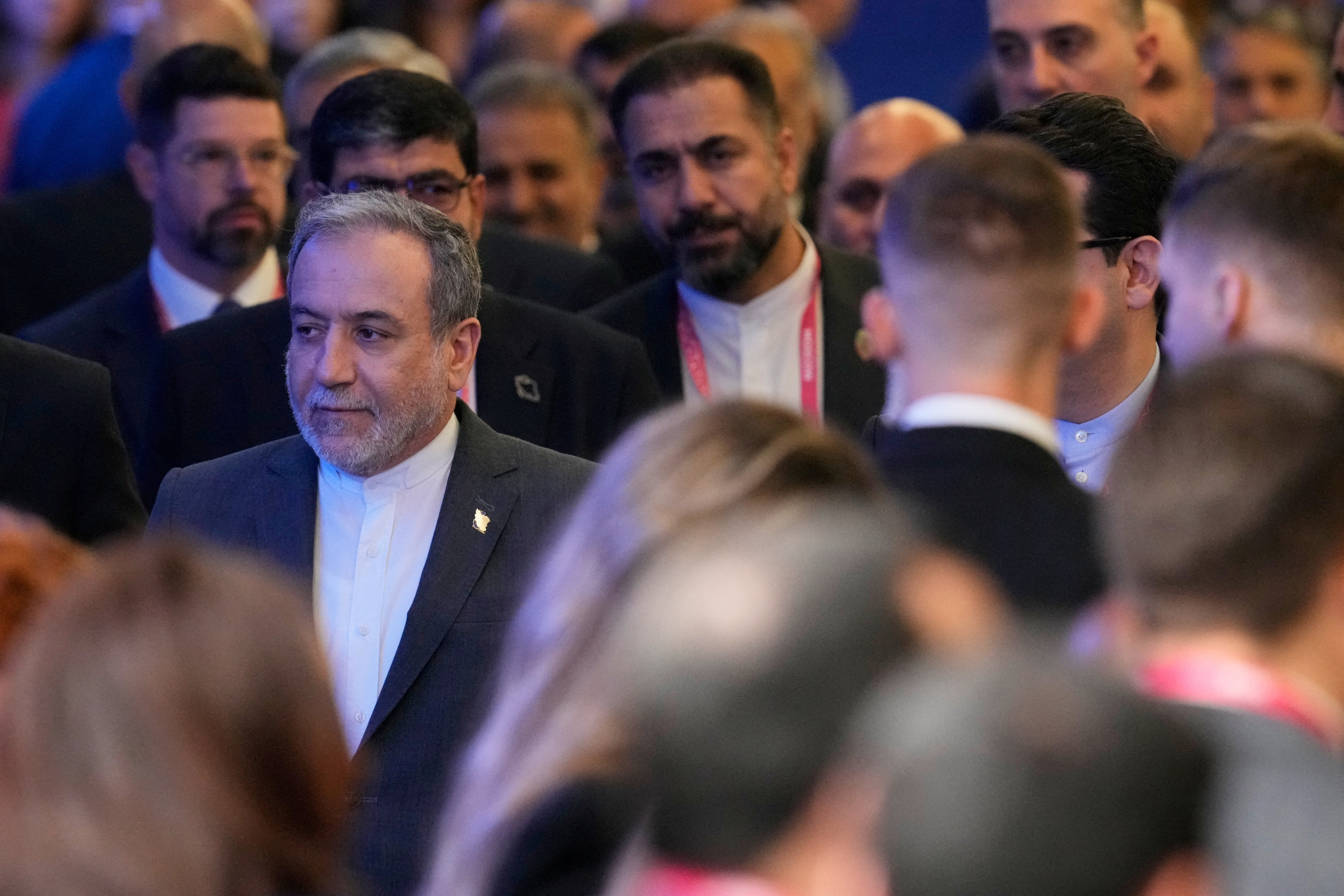
Iranian Foreign Minister Abbas Araghchi said on Wednesday in a post on X that Tehran “continues to give diplomacy a chance to succeed” and is working with mediators to review ideas that Tehran included in a proposal floated last month -- summarily rejected by Trump-- that the Iranians still want to see used as the basis to return to a ceasefire.
The United Arab Emirates foreign ministry issued a statement urging the sides to “exercise wisdom and pursue political solutions to help contain tensions” and prevent a return to full-scale operations in the war that began in late February.
The Pentagon late last month deployed the USS Theodore Roosevelt, along with a series of amphibious landing ships with Marines aboard -- roughly 9,000 troops in all -- from San Diego to the Persian Gulf to bolster the US military in the region.
The war has proved to be a heavy weight on Republican candidates as they make their case to voters who are fatigued by rising gasoline prices, a byproduct of the war that's driven up costs across nearly every sector in the global economy. (AP)
Edited by Altis Wong
US warns allies to prepare for possible Iran strikes
2026-10-29 HKT 09:23
Share this story


