


Developing countries will need US$305 billion a year by 2035 to adapt to a worsening climate crisis, nearly 10 times what they currently receive from wealthy nations, a new UN report said on Wednesday.
Climate finance is set to be a hot-button issue again when negotiators from nearly 200 countries gather at the UN's Cop31 climate summit in Antalya, Turkiye, from November 9 to 20.
Under UN climate agreements, developed countries, which are historically responsible for most greenhouse gas emissions, are expected to financially help developing nations adapt to climate impacts and transition to cleaner sources of energy.
Adaptation finance is aimed at protecting countries from a changing climate, with measures ranging from building sea walls and levees to planting drought-resistant crops or making homes more resilient to natural disasters.
"The latest Adaptation Gap Report exposes a staggering shortfall. For every dollar developing countries need to adapt, they receive just 10 cents," UN Secretary-General Antonio Guterres said.
"We know who is most at risk. We know what works. What is missing is the money – and the political will. The choice is simple: invest in adaptation today – or pay for catastrophe tomorrow," he said.
The report – titled "Ready? Not." – estimates the needs of developing countries for adaptation at US$305 billion per year by 2035.
Developed countries provided between US$28.2 billion and US$31.7 billion in 2024, only a modest increase from the previous year.
The figures fell short of a commitment made at Cop26 in Glasgow in 2021 to double adaptation finance from 2019 levels by 2025, to reach US$40 billion annually.
At Cop30 in Brazil last year, countries adopted a final agreement that included a call for efforts to triple adaptation finance by 2035.
But UNEP's report said the tripling "is less ambitious than it first appears" as the funds would increase to somewhere between US$85 billion and US$120 billion per year, depending on how the Cop30 decision is interpreted.
Even if the Cop30 aspiration is achieved, it would only cover 20 to 29 percent of what is needed to deal with intensifying climate impacts, UNEP said.
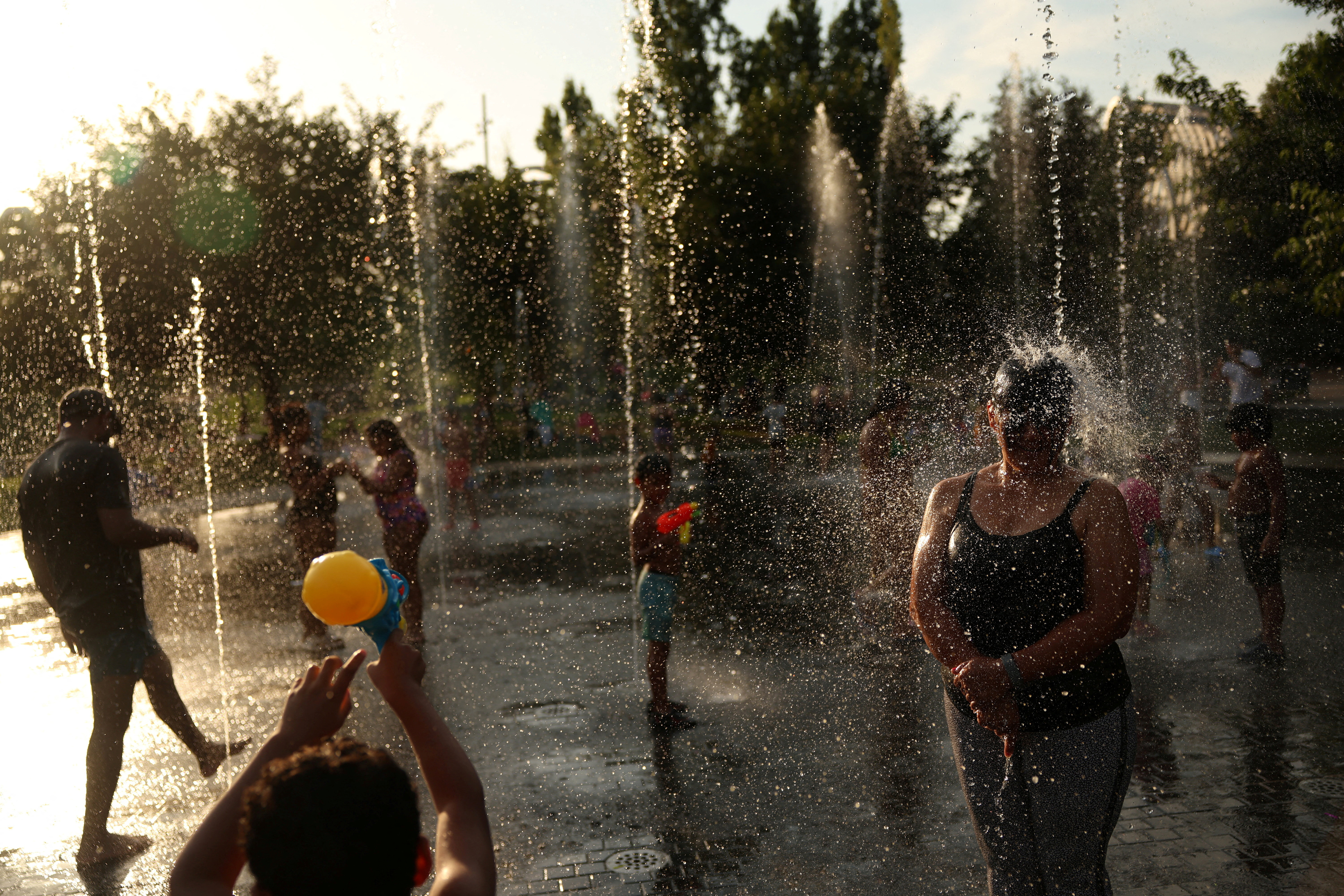
The report said 2026 provided "stark reminders" that climate change affects everyone, from extreme heat and wildfires in Europe to the catastrophic glacial flooding in Nepal.
The UNEP has also warned that global efforts have fallen short of preventing temperatures from exceeding 1.5 degrees Celsius above pre-industrial levels, the more ambitious limit set by the 2015 Paris Agreement to avert the worst impacts of climate change.
"The world is not ready to adapt to current climatic conditions, never mind what overshoot of 1.5C will bring," UNEP Executive Director Inger Andersen said in a statement.
Andersen urged countries at Cop31 to focus on intensifying efforts to triple adaptation finance by 2035, "while understanding that they will need to go even higher to save lives, avoid losses and damages and protect economies". (AFP)
Edited by Aaron Tam
Climate adaptation aid must rise tenfold: UN
2026-11-04 HKT 20:32
Share this story


