


Asian shares followed Wall Street lower on Tuesday, weighed down by weakness in technology companies after the United States stepped up efforts to curb China's access to advanced AI chips, escalating the race for technological dominance.
In Hong Kong, the benchmark Hang Seng Index opened down 232 points, or 0.98 percent, at 23,521.
The China enterprises index was 70 points, or 0.88 percent, lower at 7,911 while the tech index fell 41 points, or 1.09 percent, to 3,760.
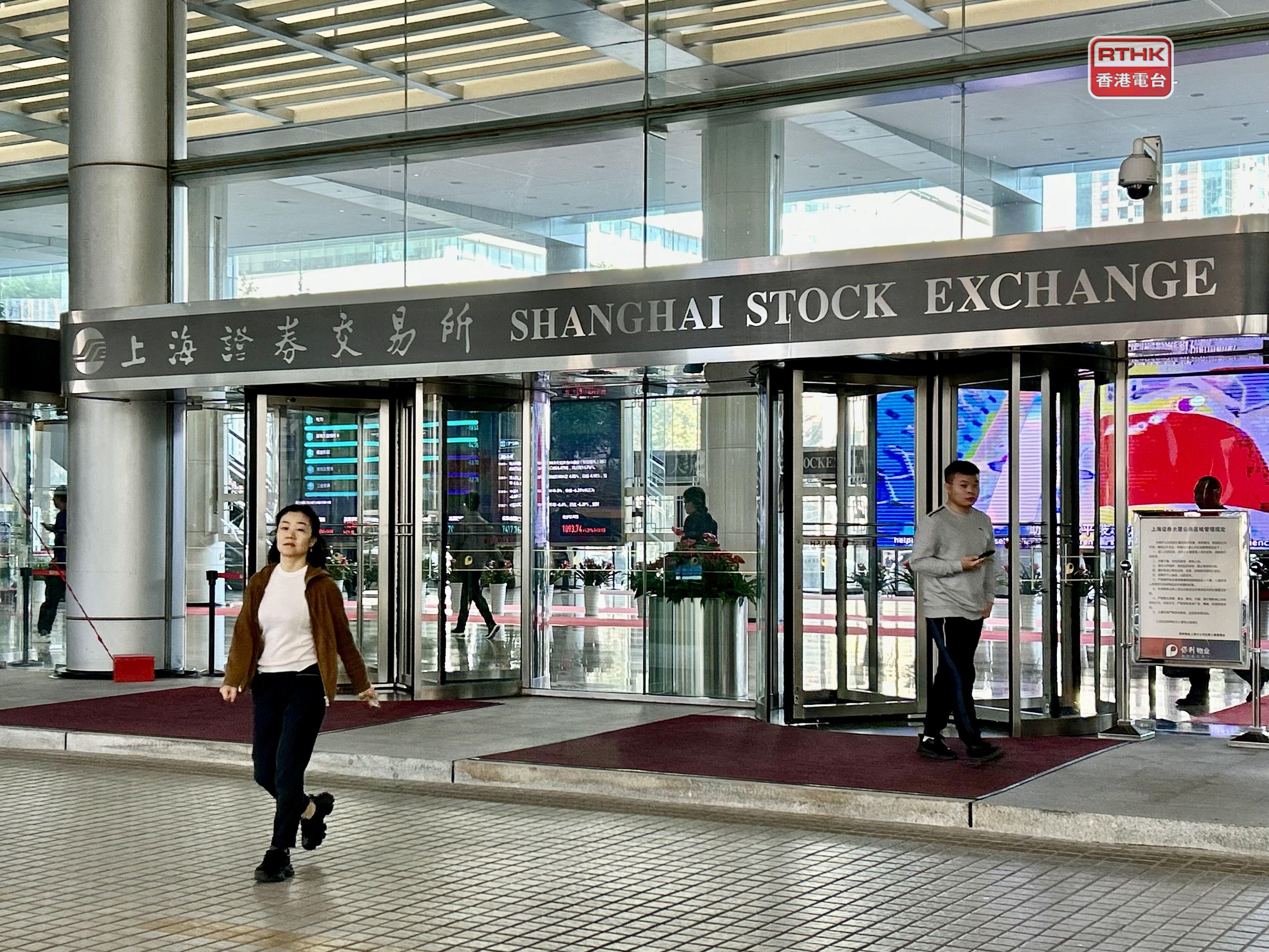
Up north, the Shanghai Composite Index slipped 16 points, or 0.47 percent, to open at 3,585.
The Shenzhen Component Index was 85 points, or 0.8 percent, down at 10,605 while the ChiNext Index fell 20 points, or 0.86 percent, to 2,299.
In Tokyo, the Nikkei opened down 366 points, or 0.61 percent, at 59,295 and its losses widened to put the 225-strong benchmark 792 points lower at one stage before lunch as investors remained on the sidelines ahead of Nvidia's third-quarter earnings and Anthropic's initial public offering.
In Seoul, the Kospi opened 92 points, or 1.81 percent, lower at 5,008 before regaining some ground to be 71 points down at one stage before noon as chipmaker Samsung Electronics fell 2.41 percent while peer SK Hynix lost 0.63 percent.
The opening losses came as Washington said overnight it would further restrict China's access to advanced AI chips from companies like Nvidia.
The new rule restricts shipments of advanced chips to data centres like those in Thailand and Malaysia that Chinese companies have used to access computing power to train AI models.
"This is a meaningful escalation because it extends restrictions from physically buying advanced chips to accessing their computing power remotely," said Charu Chanana, chief investment strategist at Saxo.
"The impact could be significant for providers heavily reliant on Chinese customers training advanced AI models. They could face lower utilisation, weaker pricing and delays to expansion, while licensing uncertainty could make financing new projects harder."
A key moment for markets on Tuesday will be Nvidia's earnings after the bell, with investors watching for signs of whether its debt-fuelled AI spending will continue into 2027 and how Jensen Huang's departure as CEO could affect the company's influence across the AI ecosystem.
Still, senior figures within the US tech industry, including SpaceX tycoon Elon Musk, as well as US President Donald Trump have thrown their support behind Huang, with Trump signalling on Monday that he would welcome the Nvidia founder being reinstated as CEO of the company.
"Jensen obviously has two things going: he has a family situation which is a rough deal, and what he wants to do is to sell chips," Trump said.
"We prohibited him from selling the important chips, the modern day chips. But frankly, selling the other chips is a good thing, not a bad thing." (Agencies)
Edited by Tony Sabine
HK, region track Wall St retreat amid tech jitters
2026-11-17 HKT 11:10
Share this story


