


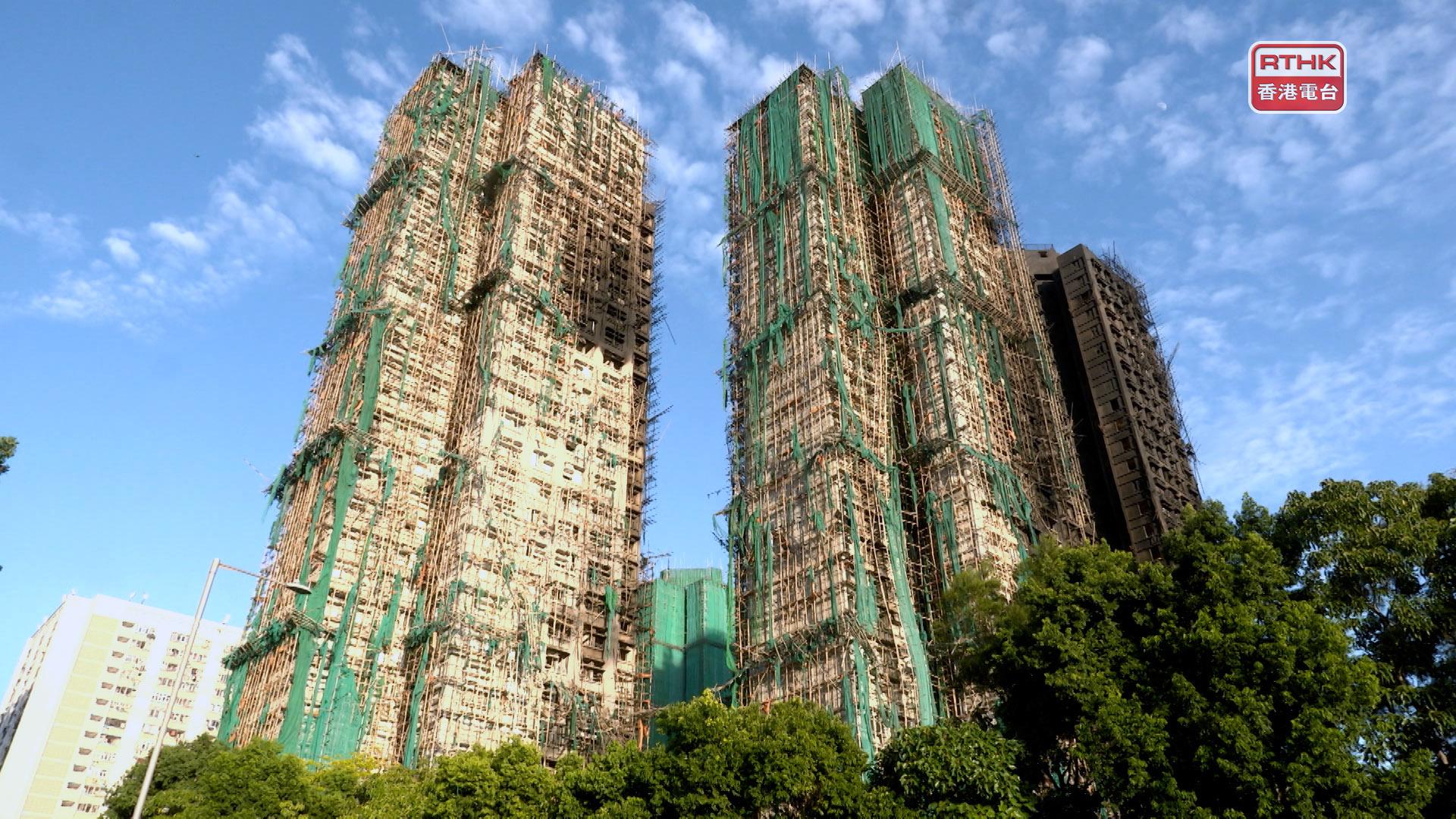
The government on Wednesday launched a one-month public consultation on its proposed legislative amendments aimed at increasing owner participation in building management and enhancing transparency for major decision-making.
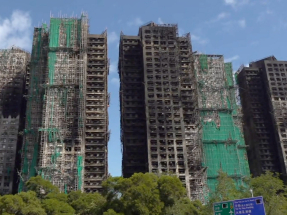
In the consultation paper, the administration said the Wang Fuk Court fire last November had raised public concerns over how buildings are managed and run, adding that it would deepen institutional reforms to help owners raise management standards.
The proposed changes to the Building Management Ordinance covers five main areas, including raising the attendance and voting thresholds for owners’ meetings concerning large-scale maintenance works and high-value procurements.
Under the proposal, at least five percent of all owners, or 100 owners, whichever is lower, must attend and vote in person at the meetings for procurement of Type 2 high-value procurements.
This category refers to purchases that exceed, or are likely to exceed, 20 percent of the building’s average annual expenditure for the last three financial years.
For large-scale maintenance projects, officials are proposing to introduce a tiered system that raises quorum and voting-in-person thresholds as project costs increase.
The paper also outlines various initiatives to boost transparency around proxy votes, including capping the number of proxy votes a single person can hold.
In buildings with more than 50 units, a proxy holder can represent a maximum of 20 owners or two percent of total owners, whichever is lower.
Officials also proposed to impose restrictions on who can be authorised as a proxy holder.
The proposal also includes making public a list of units whose owners submitted proxy forms whithin 48 hours of an owners’ meeting.
They also plan to add a section to proxy forms, allowing owners to specify voting instructions for their proxies.
Work consultants and contractors would also be required to disclose any conflict of interest between them to all property owners.
In addition, the administration aims to clarify procedures for calling owners' meetings and grant authorities the power to step in if a management committee is deemed dysfunctional.
Owners who object to government intervention would be able to lodge an appeal to a statutory appeal board.
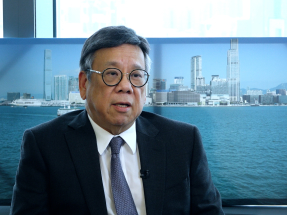
Ryan Ip, vice president at think tank Our Hong Kong Foundation, said it is good to see the government taking a more proactive role in monitoring owners' corporation operations.
The researcher also called for restrictions on who can serve as an eligible proxy voter — or even building an electronic voting platform in the long run to replace the proxy system.
"The government should, instead of only restricting on numbers, they should actually restrict who can be an eligible proxy holder," he said.
"I think the government should, number one, restrict proxy holders to only immediate family members, or number two, fellow owners within the same estate.
"And also, it should clearly define the principle of how to limit the number of proxy votes a proxy owner can collect."
Edited by Tony Sabine
Consultation on building management law reform begins
2026-08-12 HKT 15:20
Share this story


Ryan Ip speaks to Elvis Yu



2026-10-11 HKT 17:58
2026-10-06 HKT 12:52
2026-09-15 HKT 13:56
2026-09-09 HKT 22:14
2026-09-03 HKT 17:12
2026-09-01 HKT 11:34

2026-08-31 HKT 21:05
2026-08-29 HKT 15:10
2026-08-28 HKT 15:23
2026-08-25 HKT 16:43
2026-08-23 HKT 11:38
2026-08-18 HKT 13:29
2026-08-01 HKT 11:12
2026-07-30 HKT 13:59

2026-07-25 HKT 13:18
2026-07-21 HKT 15:31
